

Eating a balanced diet
There is no specific diet recommended for people with Parkinson’s. Eating a healthy, balanced diet can help you get the nutrients and energy you need.
On this page
Eating well
A balanced diet can help your body in many ways. It can:
- help ease constipation
- give you more energy
- support your mental health and wellbeing
- keep your bones strong
- support your immune system.
A healthy, balanced diet includes a variety of foods. Try to:
- eat regular meals
- include foods from all the main food groups
- eat plenty of fruit and vegetables
- drink enough fluid
- eat appropriate portion sizes according to your needs.
The NHS Eatwell Guide can help you understand what a balanced diet looks like. It shows the main food groups and how much of each you should be eating.
You do not need to get this right at every meal and it’s important to enjoy what you eat and drink. Try to eat a mix of foods and keep a good balance over time.
Understanding the food groups
A healthy, balanced diet includes a variety of foods from different food groups. Each group provides nutrients to help keep you well and manage your Parkinson’s.
Fruit and vegetables
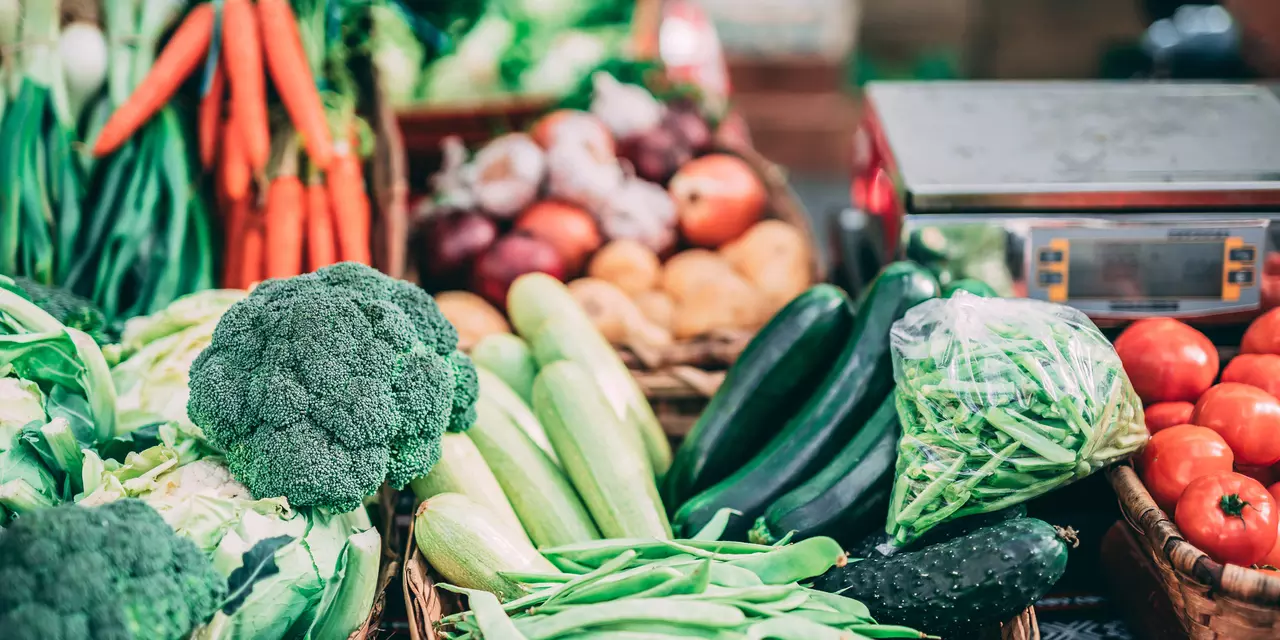
Fruit and vegetables are a good source of fibre, vitamins, and minerals.
Fibre can help with your digestion and prevent constipation, which is common in Parkinson’s. Read our information on constipation and Parkinson’s.
Try to eat at least 5 portions of fruit and vegetables a day. This can include fresh, frozen, tinned, dried or juiced options.
A portion is:
- 1 medium piece of fruit, such as an apple, banana, or pear
- 1 large slice of fruit, such as melon or pineapple
- 3 heaped tablespoons of cooked vegetables
- a small handful (30g) of dried fruit, best eaten at with meals
- around 80g of fresh, frozen, or tinned fruit or vegetables
- 150ml of fruit juice or smoothie (maximum 1 portion a day).
Potatoes do not count towards your 5 a day. Instead, they’re counted as a starchy food. Yams, cassava, and plantain are also counted as starchy foods.
Sweet potatoes, parsnips, swedes, and turnips do count towards your 5 a day.
Fruit juice and smoothies should be limited because they’re high in sugar and can increase the risk of tooth decay. This is important because people with Parkinson’s may be more likely to experience mouth and dental problems.
Read our information on mouth and dental issues in Parkinson’s.
Starchy foods
Starchy foods are an important source of carbohydrates and should make up just over a third of what you eat.
Carbohydrates give your body energy, which is important if you feel fatigued or are losing weight because of Parkinson’s. Many starchy foods also contain fibre, vitamins, and minerals.
Starchy foods include potatoes, bread, rice, pasta, and cereals, as well as foods such as maize (corn), cassava, yams, couscous, and other grains.
Try to choose higher-fibre or wholegrain options, such as:
- wholemeal bread
- brown rice
- wholewheat pasta
- oats
- potatoes with the skin on.
These foods can help you feel fuller for longer because they take longer to digest.
Protein foods
Protein foods include meat, fish, eggs, beans, lentils, nuts, tofu, and other meat alternatives. Include some protein foods in your diet every day and choose a variety over the week.
Protein helps your body repair itself and keep your muscles strong, which can help with your movement and stability. Protein foods also provide important vitamins and minerals.
Protein can affect how Parkinson’s medicines, such as levodopa, are absorbed in the body. If this happens, timing your protein intake and medicines can help manage this. Read more about Parkinson’s medication and your diet.
Meat
Meat can be a good source of protein and nutrients such as iron and vitamin B12.
Try to:
- choose lean cuts of meat and mince
- remove visible fat and skin where possible
- eat less red and processed meat, such as bacon, ham, and sausages.
Fish
Fish is an important source of protein. Aim to eat at least 2 portions of fish a week, including 1 oily fish such as salmon, sardines, or mackerel.
Plant-based protein foods
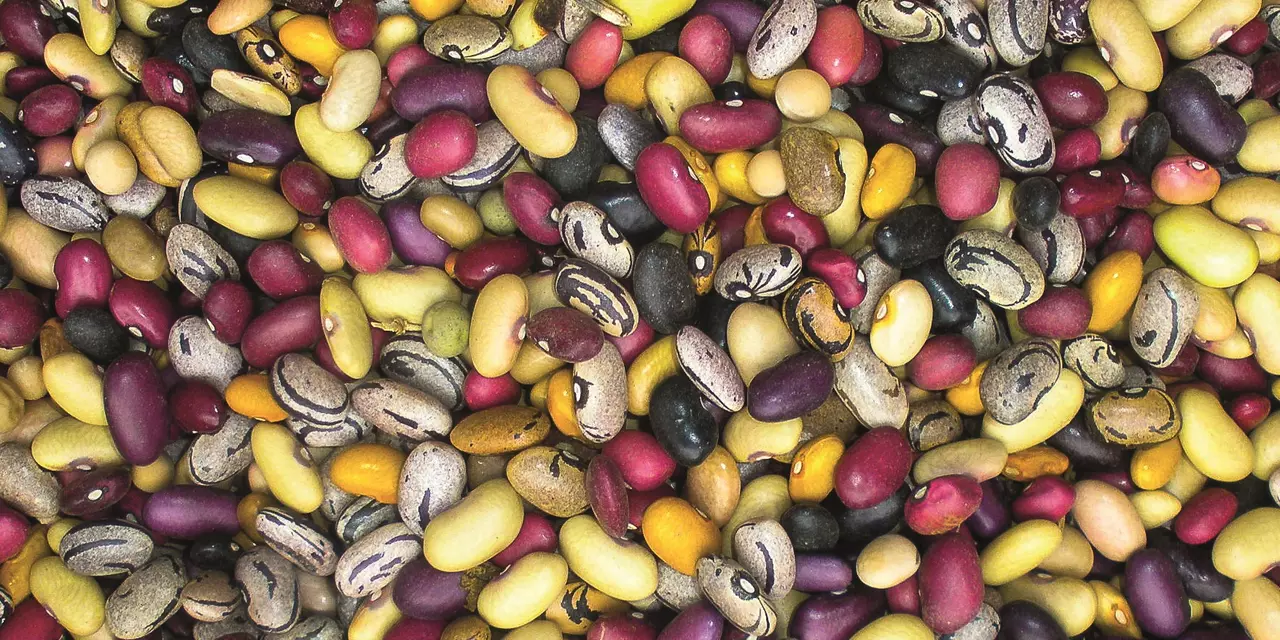
Beans, lentils, peas, chickpeas, nuts, seeds, tofu, and other meat alternatives are good sources of protein. Many are also high in fibre.
Choose lower-salt options where possible, especially when buying tinned or processed products. Nuts are high in fibre but do still contain high levels of fat, so eat them in moderation.
Dairy and alternatives
Dairy and dairy alternatives provide calcium, which helps build and keep your bones strong. This is especially important if you have Parkinson’s, as you’re at a higher risk of bone problems.Try to have 3 portions a day of dairy or dairy alternatives. These include milk, yoghurt, and cheese, or plant-based alternatives such as soya, oat, almond, or rice products.
If you choose plant-based milks and yoghurts, look for ones that are fortified, which means calcium has been added to help keep your bones strong. Check the label, as not all products are fortified with calcium.
A portion is:
- 200ml of milk
- 1 small pot of yoghurt
- 30g of cheese (about the size of a matchbox).
Dairy and alternatives can also contain protein. Some plant-based options are lower in protein, so make sure you’re also including a range of protein foods in your diet.
Read more about bone health and Parkinson’s.
Oil and spreads
Oils and spreads are a small part of a healthy diet. They provide essential fats that your body needs and help your body absorb some vitamins. But all fats are high in energy, so it’s important to use them in small amounts.
It’s best to choose unsaturated oils and spreads, such as olive, rapeseed, or sunflower oil. These are healthier choices than butter, ghee, or lard which are higher in fats that can raise cholesterol.
Try to:
- choose unsaturated oils and spreads most of the time
- use small amounts when cooking or spreading
- grill, bake, steam, or boil food instead of frying.
You may find using an air fryer helpful, as it needs very little oil and can be a healthier way to cook foods that are usually fried in oil.
Foods high in fat, salt, and sugar
These include biscuits, cakes, sweets, chocolate, crisps, and fried foods.
These foods can be part of your diet, but you should have them less often and in smaller amounts. They’re often high in calories, fat, salt, and sugar, and low in nutrients.
It’s okay to enjoy these foods as a treat now and then. The aim is balance, not cutting them out completely. If you’re underweight or losing weight, a dietitian may advise you to include more high-calorie foods to help maintain your weight. But eating too many of these foods can increase your risk of health problems.
Some food packaging uses colour-coded labels to help you choose healthier options:
- green = healthier choice
- amber = eat in moderation
- red = less healthy choice.
Aim to choose more foods with greens and ambers, and fewer with reds.
Try to:
- choose healthier snacks, such as fruit, yoghurt, or unsalted nuts
- drink water, milk, or sugar-free drinks instead of sugary drinks
- use food labels to help you compare products when shopping
- choose lower-salt options when appropriate.
Too much salt can affect your health. Many processed foods, such as ready meals, sauces, and crisps, contain hidden salt. In most people, a high salt intake can increase blood pressure and raise the risk of heart attacks and strokes. Some people with Parkinson’s have low blood pressure, and reducing salt may not be appropriate for them. Read more about low blood pressure.
Water and drinks
It’s important to drink enough fluid every day to keep your body healthy.
Aim to drink around 6 to 8 glasses of fluid a day. Drinking water is a healthy and cheap way to keep hydrated. Other drinks like lower-fat milk, sugar-free drinks, tea, and coffee also count.
Drinking enough fluid is especially important if you have Parkinson’s. It can help:
- prevent constipation
- reduce dizziness and low blood pressure when standing
- support energy levels and overall wellbeing.
As you get older, you may not feel thirsty even when you need fluids, so dehydration is more likely. Parkinson’s symptoms and some medicines, such as those that cause nausea, can also mean you drink less. This is why drinking regularly is important.
Try to:
- drink regularly throughout the day
- choose water as your main drink
- take small sips often, rather than large amounts at once
- drink extra fluids if you've been sweating more than usual (this can sometimes happen in Parkinson’s), are very active, or are unwell
- limit sugary drinks such as fizzy drinks, sweetened juices, and energy drinks
- limit caffeine and alcohol, as they can make you dehydrated and lower blood pressure.
If you have bladder problems, try not to cut down on how much you drink. This can lead to dehydration, constipation, low blood pressure, and urinary tract infections. You may find that caffeine, alcohol, and citrus drinks irritate the bladder and make you need to urinate more often. Read more about bladder and bowel changes.
Some people with Parkinson’s may have difficulties swallowing liquids. Read more about swallowing and managing saliva.
Get this information in other formats
If you prefer to have something printed to read or want to download a PDF, choose an option below:


Thank you
Thank you to the health professionals that reviewed this information:
- Kinga Topolowska, Senior Specialist Neurosciences Dietitian, University College London Hospitals NHS Foundation Trust
- Vanessa Jones, Specialist Dietitian (Parkinson’s and CASOP), University Hospitals of Derby and Burton NHS Foundation Trust
- Suzanne Filon, Parkinson’s Nurse Specialist, University Hospitals of Derby and Burton NHS Foundation Trust
Thanks also to our information review group and other people affected by Parkinson’s who provided feedback. Read more about joining our information review group.

This content will next be reviewed within 3 years of that date. If you'd like to find out more about how we put our information together, including references and the sources of evidence we use, please contact us at [email protected]