Dietitian Q and A
Senior Specialist Neurosciences Dietitian Dr Kinga Topolowska talks meal planning, making food more appealing and why everything has added protein now.
Q. Why is diet such a big part of managing Parkinson's?
Food plays a powerful role in daily life with Parkinson's. The right foods and drinks can ease common symptoms like constipation, steady your energy levels, and help manage blood pressure. What you eat, and when you eat it, can also change how well your medications work in your body.
Making thoughtful food choices gives you more control over your health and helps you feel better each day.
Q. What are the most common diet-related issues in Parkinson's?
Three main issues come up again and again:
- Constipation: This is very common and can mean medication is absorbed less well. We try to improve bowel habits by adding more fibre and fluids, though medications are sometimes needed as well.
- Low fluid intake: Many people do not drink enough water. Dehydration can worsen bladder issues, cause dizziness and make blood pressure drop.
- Protein interacting with medication: Levodopa-based Parkinson's medications compete with protein from food to get absorbed into the blood and brain. That can mean it works less effectively to control symptoms.
Q. How can diet affect your symptoms or energy levels?
Parkinson's affects everyone differently, so advice must be personal. For people with fatigue, slow-release carbohydrates like oats, wholegrain bread or brown rice are fantastic for steady, lasting energy.
However, some people also have orthostatic hypotension, where blood pressure suddenly drops when standing up, causing dizziness.
For them, we often suggest eating smaller portions of carbohydrates, as large carb-heavy meals can cause blood pressure to dip even lower. We might also suggest increasing their salt and fluid intake to keep blood pressure safe and steady.
Q. Losing your sense of smell can be an early symptom of Parkinson's. Does it affect what people eat?
Flavour, smell, and texture work together to give us a full eating experience. When your sense of smell or taste fades, food can suddenly seem flat and unappealing, leading to a smaller appetite and unintended weight loss.
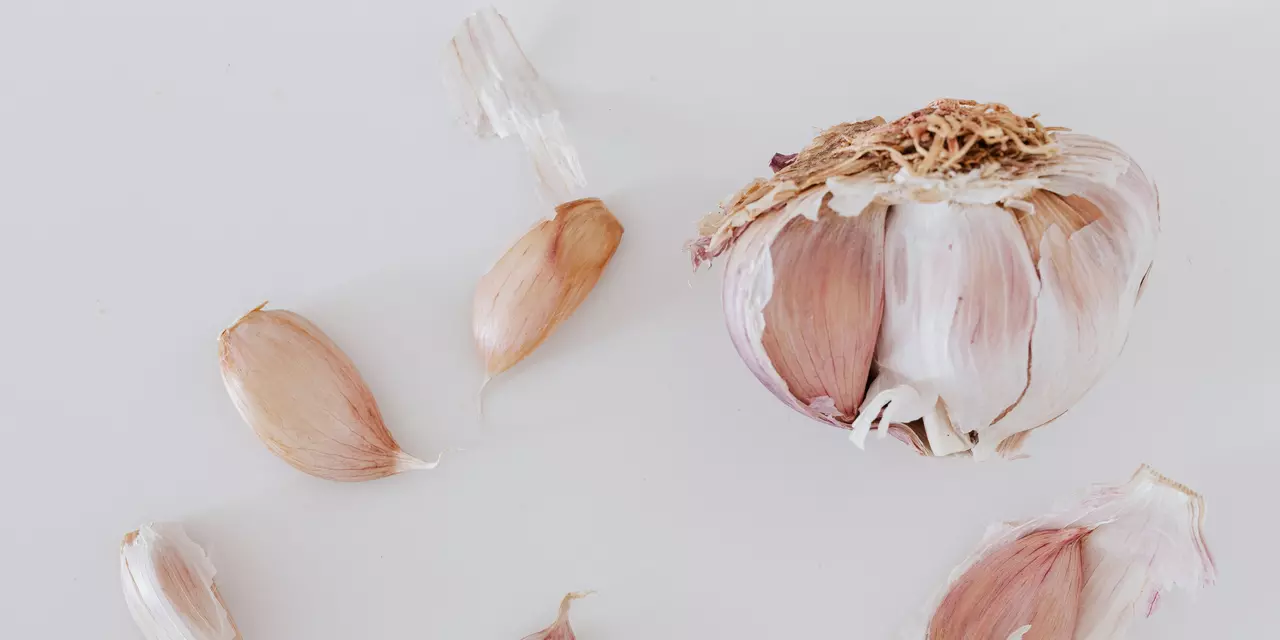
- If smell is reduced, dial up the flavour using herbs, spices, citrus, garlic, or vinegar.
- If taste is dulled, focus on interesting textures like crunchy nuts or smooth sauces and make meals look appealing by using bright, contrasting colours.
Q. What foods do you recommend to people with Parkinson's?
Two everyday food groups stand out:
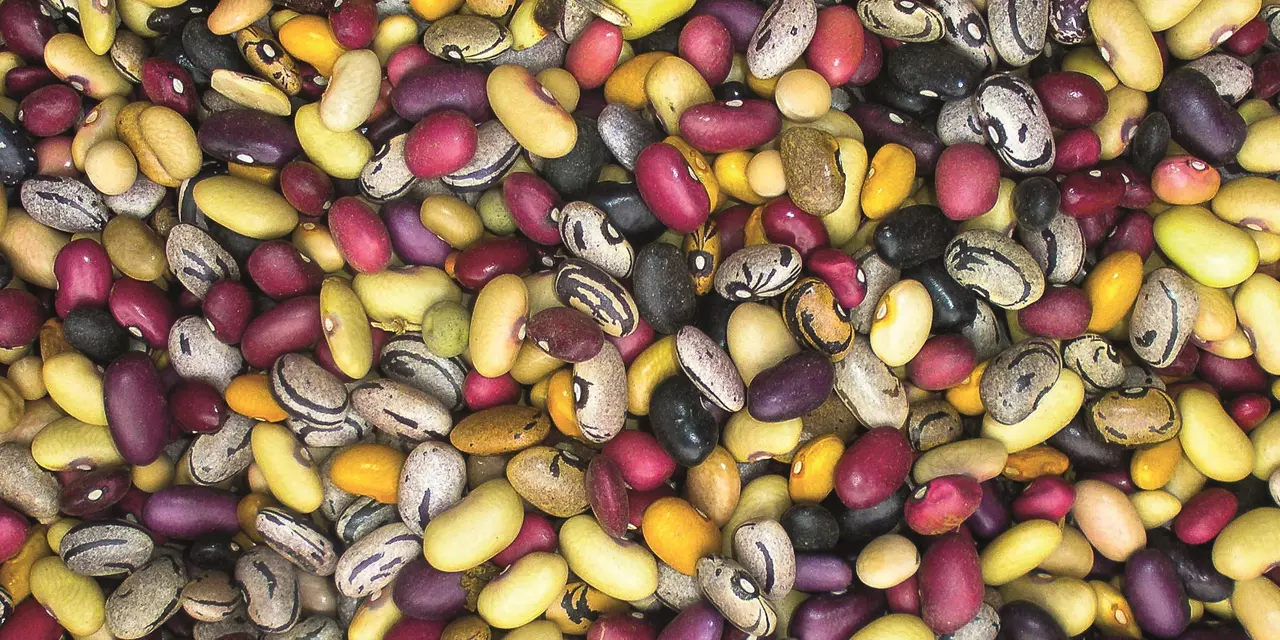
- Lentils, chickpeas, and beans are packed with fibre to help keep bowels moving. They also contain protective nutrients called antioxidants and provide a gentle source of protein.
- Blueberries, raspberries, and strawberries are full of health-boosting nutrients. They're easy to add to breakfasts or desserts, and they suit almost everyone, unless you've been told to follow a low-fibre diet.
Q. A lot of foods seem to have added protein now. How does that affect Parkinson's medication?
The current trend for high-protein snacks can be confusing, but you do not need to worry too much. Plenty of regular, everyday foods do not have extra protein added to them. In fact, many brands simply slap a "protein" label on foods that naturally contain it anyway.
Protein is not the enemy. It's an essential building block that protects your muscles, supports healing, and keeps your body strong.
Cutting it out is never a good idea. Only some people experience a clash between dietary protein and their Parkinson's medications. If you notice your medication is not working as well after you eat, speak to a dietitian.
A dietitian can help you adjust the timing of your protein throughout the day without missing out on the nutrients you need.
Q. How can someone work well with a dietitian?
The most important step is simply being honest with us. We're not the "food police." Our goal is to build on your normal habits with small tweaks, rather than forcing you to flip your life upside down.
There's a huge amount of confusing and misleading diet advice online. Part of our job is to untangle those rumours and give you clear, scientifically sound guidance you can trust.
Q. Anything else you'd like to share?
Eating well with Parkinson's does not have to be expensive or complicated. Starting with 1 or 2 small, simple habits is often the most effective approach.
Getting a referral to see a dietitian might take a little time, but it's well worth asking your doctor or Parkinson's nurse. Often, the solutions to stubborn problems are much simpler than you might expect.